The positioning challenge
Complex product portfolios often develop terminology that makes sense internally but is unfamiliar to prospective buyers. Inconsistent language can also make it difficult for search and AI systems to associate the organization and product with relevant categories or problems.
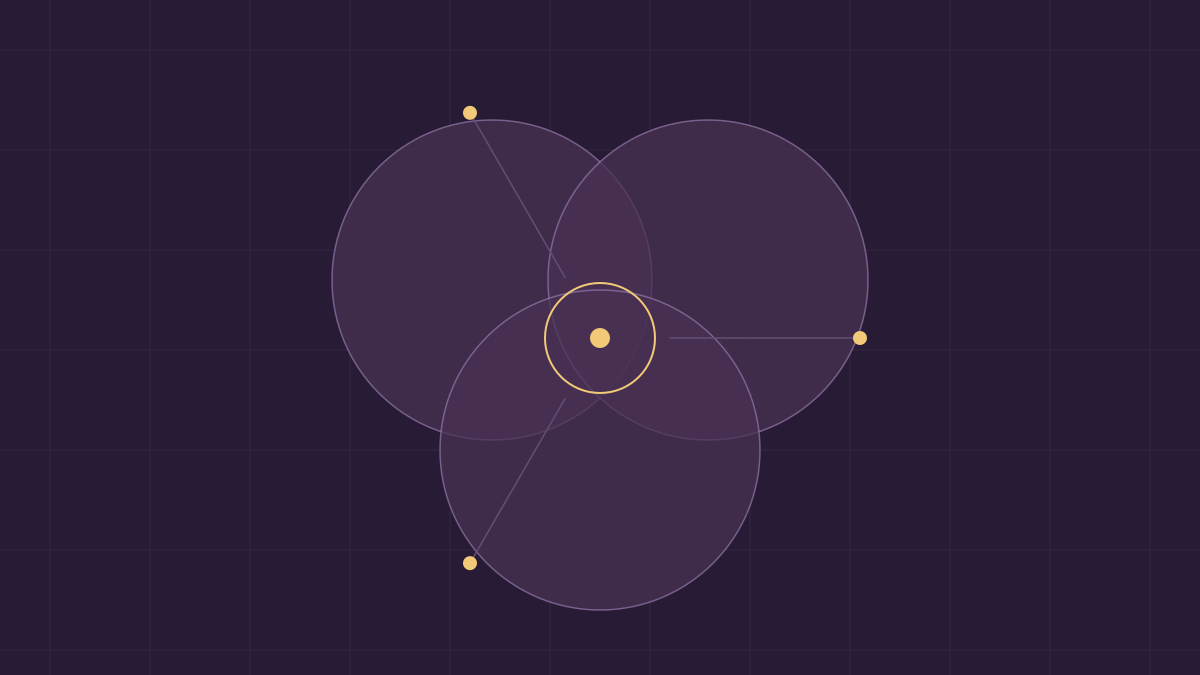
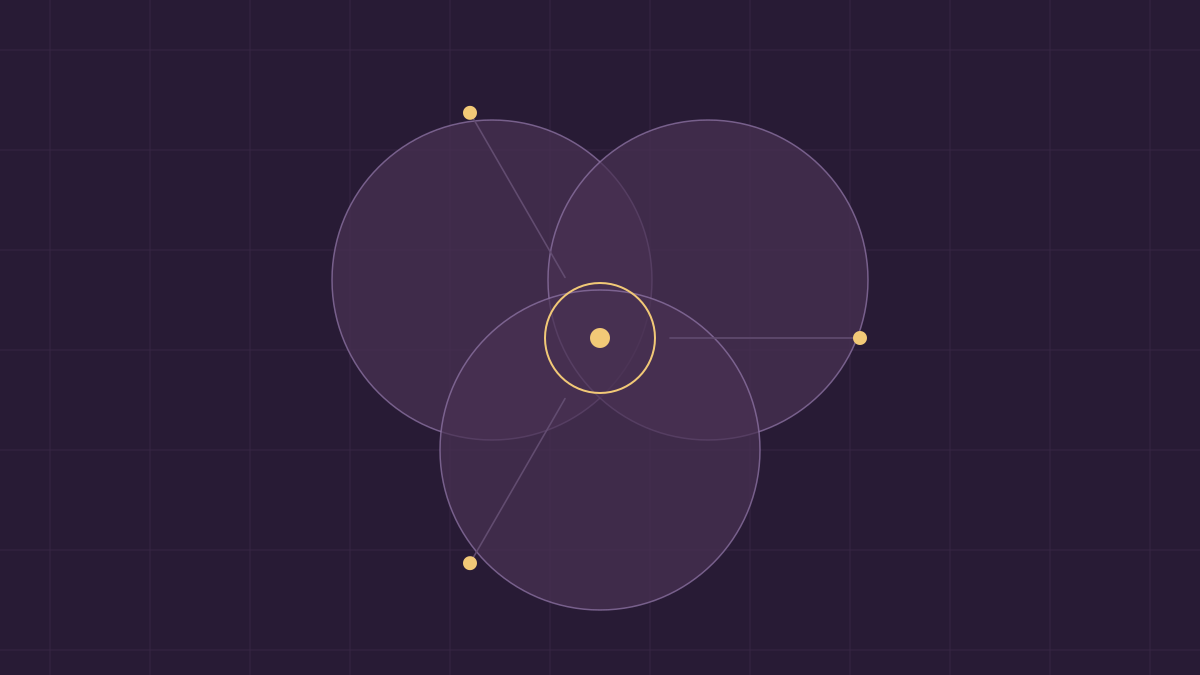
The three anchors
- Brand
- Who provides the solution? Use a clear, consistent organizational identity where appropriate.
- Product
- What is the named offering, and what does it actually do? Describe verified capabilities rather than implying unsupported features.
- Topic
- What recognizable category, problem or use case provides context? Select terms that match buyer understanding and market usage rather than forcing a branded label into a market that does not recognize it.
Example: illustrative, not a real product claim
- Weak description
- "Our Intelligent Platform enables next-generation operations."
- Stronger pattern
- "[Brand] [Product] is a [recognized category] that helps [buyer] address [verified problem or outcome] through [supported capability]."
The pattern is a scaffold, not a rigid sentence formula. The goal is to make the relationship clear while maintaining readable prose and accurate product distinctions.
Workflow
Collect product facts, buyer language, search and competitive evidence, and stakeholder input. Draft the core positioning, check factual claims and ambiguity, verify readable sentence structure, and review with appropriate product owners. Apply approved descriptions consistently to relevant digital templates and supporting content.
Guardrails
The framework does not prove a ranking or citation effect. It is a practical consistency and clarity mechanism. Product Marketing and Product retain ownership of positioning and naming decisions. Do not imply features that exist only through integration as native capabilities. Avoid fragment-like clauses, excessive sentence load and unsupported exclusivity claims.